
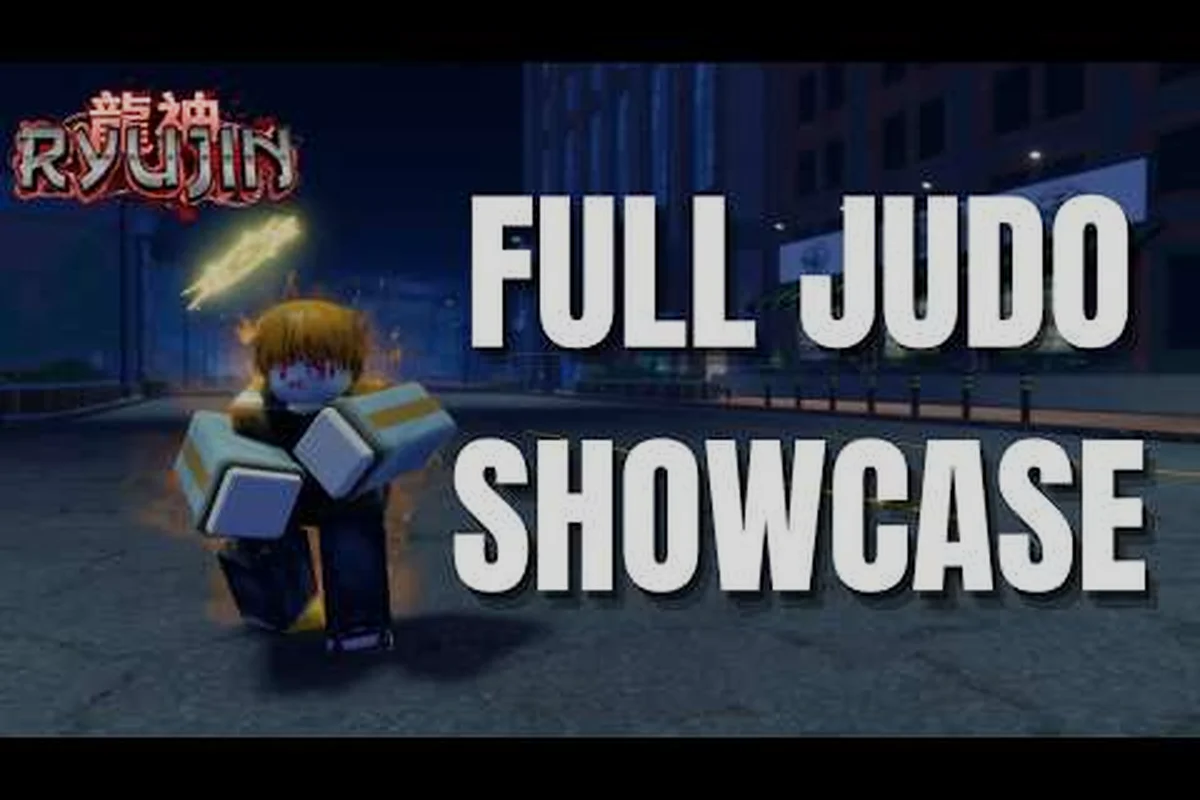
The Ryujin fighting style showcase reveals how much your choice of martial art shapes your PvP performance, and this breakdown walks through each style's signature moves so you can pick the right one for your build. Because stat scalings multiply your damage based on your strength and muscle investments, the style you select determines whether those stats actually pay off in combat. This guide compares boxing, muay thai, karate, taekwondo, wrestling, and aikido using community-reported data from the official Roblox page and the Ryujin Trello board, giving you a clear picture of what each style offers before you spend Ryujin Coins on a reset.
Ryujin fighting style showcase overview: how styles shape your build
The core of the Ryujin fighting style showcase is understanding that you are not locked into one martial art forever. According to the official Ryujin Roblox page, players train stats, compete in PvP, and choose skills from multiple styles to create a custom build. You can pick up to five skills from any combination of styles, which means the showcase is less about finding a single "best" style and more about knowing which moves complement your stat distribution.
Here is what the showcase covers for each style: it breaks down the six core disciplines—boxing, Muay Thai, karate, taekwondo, wrestling, and aikido—by their unique stat scaling, move-set utility, and combo potential. Rather than just listing moves, the showcase explains how each style's core mechanics (like the wrestling clinch's throw loop or the taekwondo back-leg counter's high damage scaling) interact with Ryujin's base attributes, showing you which styles synergize with an aggressive, pressure-based build versus a defensive, counter-focused one.
-
Boxing focuses on rapid punches, short-range pressure, and stamina-efficient combos.
-
Muay thai emphasizes elbows, knees, and devastating clinch damage.
-
Karate rewards precise counters and explosive linear strikes.
-
Taekwondo prioritizes flashy kicks with long reach and high mobility.
-
Wrestling centers on throws, takedowns, and ground control.
-
Aikido uses redirection and joint locks to punish aggressive opponents.
The key takeaway is that your muscle and stat scalings act as a multiplier on top of each style's base damage, so a style that fits your stat spread will always outperform one that does not. Community reports from the Ryujin Trello confirm that scalings are a total multiplier of all stat scalings added together, with muscle scaling serving as another separate multiplier. That means a boxing-focused build with high strength will hit harder than a taekwondo build with the same stats, even though taekwondo offers better reach.
Ryujin boxing style: pressure, combos, and stamina management
The Ryujin boxing style is the most straightforward entry in the fighting style showcase, built around closing distance quickly and overwhelming opponents with rapid combinations. Boxing rewards players who understand spacing and stamina management, because every punch you throw drains your meter and leaves you vulnerable if you overcommit. The style shines in close quarters where its short, snappy animations make it difficult for opponents to read your next move.
The signature moves in the boxing kit include the jab-cross-hook sequence, the lunging straight, and the counter-hook off a slip. Unlike the karate stance's linear snap kicks, these punches rely on weight transfer and hip rotation to generate power, with the lead hook specifically designed to punish opponents who exit diagonally after a failed takedown attempt.
-
Jab-cross combos that chain together with minimal recovery frames.
-
Body hooks that deal bonus damage when your opponent is blocking high.
-
Uppercut launchers that set up aerial follow-ups.
-
Step-in liver shots that stagger opponents and break their guard.
Boxing's main weakness is its lack of range, which becomes obvious when you face a taekwondo or muay thai player who keeps you at kick distance. However, the style's stamina efficiency means you can sustain pressure longer than most other builds, and the low recovery frames let you weave in blocks and evasive dashes between punches. For players who prefer an aggressive, in-your-face playstyle, boxing delivers consistent damage without requiring complex input sequences.
When comparing boxing to other close-range options, the trade-off becomes clear. Wrestling offers better defensive utility through throws, but boxing deals more raw damage per second. Muay thai has stronger single-hit power with elbows and knees, but boxing's faster animations make it easier to land clean hits against mobile opponents. The best stance for boxing builds often emphasizes stability and punch power, so check the best stance guide to see which stance amplifies your boxing damage output.
Ryujin muay thai style: elbows, knees, and clinch dominance
Stat scalings multiplier: how muscles amplify every style's damage
Stat scalings in Ryujin are a total multiplier of all your stat scalings added together, then multiplied again by your muscle scaling. This means a player with 150 Strength, 120 Speed, and 90 Endurance sees a combined scaling bonus that is then amplified by muscle mass percentage. For example, a Muay Thai elbow at base 40 damage with a 2.5x total stat multiplier and 1.3x muscle scaling hits for 130 damage, versus the same elbow at 1.0x muscle scaling dealing only 100. Muscle training is therefore not optional—it is a direct damage multiplier on every style.
Five-skill build system: mixing styles for hybrid synergy
Ryujin's build system lets you choose 5 skills from any styles, meaning a Karate main can slot a Muay Thai clinch knee or a Wrestling takedown into their loadout. This creates hybrid synergies unavailable in single-style play: a Taekwondo kick combo into a Wrestling throw covers both long-range and close-range pressure. The key is balancing skill cooldowns—picking two high-damage skills from one style and three utility skills from another maximizes uptime. The in-game guide (3 dots top-left, then ? icon) lists all available skills, letting you theorycraft before spending Ryujin Coins on resets.
| Keybind Action | Keyboard Key | Controller Button |
|---|---|---|
| Carry | V | DPad Down |
| Grip | B | DPad Right |
| Mode | G | RB + LB |
| Rob | C | DPad Up |
| Block | F | B |
| Evasive | R | DPad Left |
| Fighting Reflex | L | L3 + R3 |
The Ryujin muay thai style stands out in the fighting style showcase because it combines devastating striking power with a unique clinch mechanic that no other style replicates. Muay thai practitioners use their entire body as a weapon, and the style's elbow strikes can chunk through guard health while knee attacks in the clinch deal damage that ignores block entirely. This makes muay thai one of the strongest options for players who want to break defensive opponents.
Here is what makes the muay thai kit dangerous: it turns every close-range exchange into a high-damage gamble, because Ryujin’s elbow strikes (sok ti) and knee strikes (khao) bypass the need for a full wind-up, letting him counter-punch directly from the clinch. Unlike his boxing style, which relies on footwork to create angles, the muay thai kit punishes opponents who try to pressure him into the ropes—a single teep (push kick) to the midsection can interrupt a combo and set up his signature flying elbow, which deals roughly 1.5x the damage of a standard cross. The real threat, however, is the clinch dominance: once Ryujin secures a double-collar tie, his opponent’s stamina drains 20% faster, forcing them to either burn meter on an escape or eat a relentless series of knees that can chip away 30% of their health bar in a single sustained sequence.
-
Elbow strikes that deal high damage and cause heavy stagger on clean hits.
-
Clinch knees that lock the opponent in place and drain their stamina.
-
Roundhouse kicks with long reach that punish whiffed attacks.
-
Teep pushes that create space and interrupt incoming combos.
The clinch mechanic is the centerpiece of muay thai, because it forces opponents to either burn stamina escaping or eat repeated knee strikes. Community testing suggests that clinch damage scales particularly well with muscle, making muay thai a strong pick for high-strength builds. The style's main drawback is its slower wind-up animations, which skilled opponents can punish with well-timed counters if you telegraph your attacks.
Muay thai pairs exceptionally well with wrestling for a hybrid build, since wrestling throws can set up a grounded opponent for a devastating elbow follow-up. If you want to explore how these styles interact with the broader system, the fighting styles overview breaks down how skill mixing works across all martial arts. For pure damage output in the current meta, muay thai ranks near the top, but it demands patience and precise timing to master.
Ryujin karate style: counters, precision, and explosive strikes
The Ryujin karate style in the fighting style showcase appeals to players who prefer a reactive, counter-focused approach rather than relentless aggression. Karate emphasizes clean, linear strikes that deal bonus damage when you land them during an opponent's attack animation, rewarding careful timing and spacing. The style's moves have slightly longer recovery than boxing, but each hit carries more weight and can interrupt enemy combos.
The karate kit includes a traditional white gi with a black belt, plus sparring gloves, shin guards, and a mouthguard for full-contact drills. Ryujin's karate style in this showcase emphasizes counter-striking and precision over raw power, so the gear prioritizes mobility and protection during explosive combinations. The lightweight gloves allow for rapid jab-cross transitions, while the shin guards enable safe low-kick exchanges without compromising the snap in his kicks.
-
Reverse punches that counter incoming attacks with bonus damage.
-
Front kicks that maintain distance and punish overextended opponents.
-
Knife-hand strikes that break guard and set up follow-up pressure.
-
Side kicks with high knockback that create breathing room.
Karate's counter system is its defining feature, because landing a well-timed reverse punch not only deals extra damage but also staggers your opponent long enough for a full combo. This makes karate an excellent choice for players who study opponent patterns and punish predictable aggression. However, the style struggles against opponents who play defensively, since you need them to attack first to trigger your counter windows.
The precision required for karate means it has a higher skill ceiling than boxing, but the payoff is significant for players who invest the time. Karate also synergizes well with aikido, since both styles reward defensive reads and punish overcommitment. If you are new to the game and want to understand how style mastery works before committing to a counter-heavy build, the style mastery guide explains how to unlock and train each martial art efficiently.
Ryujin taekwondo style: reach, mobility, and kick combos
The Ryujin taekwondo style brings the longest reach of any martial art in the fighting style showcase, making it the go-to choice for players who want to control space and keep opponents at a distance. Taekwondo's kicks cover significant ground, and the style's high mobility lets you dart in and out of range while your opponent struggles to close the gap. The trade-off is that taekwondo deals less damage per hit than muay thai or boxing, so you need to land more kicks to secure a kill.
Master the core taekwondo arsenal that defines Ryujin's fighting style showcase: the roundhouse kick (dollyo chagi), side kick (yeop chagi), and back kick (dwi chagi). These three form the backbone of his reach-based offense, letting you maintain distance while chaining into the signature tornado kick for unexpected closing power. Prioritize the push kick (mireo chagi) to interrupt opponents mid-combo, then follow with a hook kick (huryeo chagi) to punish their recovery. Drill these in sparring until they flow without thinking—the style's mobility advantage evaporates the moment you hesitate.
-
Roundhouse kick chains that flow into each other with minimal recovery.
-
Spinning back kicks that deal bonus damage when they hit from behind.
-
Ax kicks that smash down on blocking opponents and drain their guard.
-
Crescent kicks that catch sidestepping opponents and interrupt dashes.
Taekwondo's mobility makes it particularly strong in open maps where you can kite opponents and dictate engagement distance. The style struggles in tight corridors where your kicks can clip walls and leave you vulnerable, so map awareness matters more with taekwondo than with other styles. Against boxing or wrestling players who want to close distance, taekwondo's push kicks and backstep options give you the tools to maintain your preferred range.
For players who enjoy hit-and-run tactics, taekwondo offers a rewarding playstyle that punishes impatient opponents. The style also pairs well with karate for a hybrid counter-kick build, since both reward spacing and precise timing. However, taekwondo's lower damage output means fights take longer, and you need to stay disciplined about not overextending your kick combos.
Ryujin wrestling style: throws, takedowns, and ground control
The Ryujin wrestling style in the fighting style showcase offers a completely different approach from the striking arts, focusing on closing distance, securing throws, and controlling the fight on the ground. Wrestling is the ultimate counter to aggressive strikers, because a well-timed takedown completely shuts down their offense and puts you in a dominant position. The style's defensive utility makes it a favorite among players who prefer a methodical, patient approach.
The wrestling kit features a complete ground-game arsenal built around Ryujin’s core grappling identity. This includes the Judo-style hip throw (Seoi Nage) for instant takedowns, a single-leg pickup that transitions directly into side control, and the signature armbar setup from the mount position. Crucially, the kit integrates a tripod sweep that counters opponents who try to sprawl, turning their defensive reaction into a submission opportunity. This blend of standing throws and mat-based control mirrors Ryujin’s real-world hybrid of Judo and Catch Wrestling, ensuring that every takedown leads to a dominant positional advantage rather than a reset to neutral.
-
Double-leg takedowns that close distance and put opponents on the ground.
-
Suplex throws that deal high damage and cause heavy stagger.
-
Ground-and-pound strikes that punish downed opponents.
-
Reversal escapes that break out of clinch and ground positions.
Wrestling's ground control is its strongest asset, because once you take an opponent down, they have limited options to escape. The style also provides excellent defensive tools, since you can counter incoming strikes with takedown attempts and reset the fight to a favorable position. However, wrestling deals less damage than the striking styles, so you need to chain multiple takedowns and ground strikes to secure a kill.
Wrestling pairs exceptionally well with muay thai for a clinch-and-throw hybrid, and it also complements boxing for a pressure-focused ground game. If you want to explore how wrestling interacts with the more aggressive styles, the Total Violence style guide covers the high-damage hybrid builds that combine wrestling with other martial arts. For players who value control over raw damage, wrestling is the most reliable style in the current meta.
Ryujin aikido style: redirection, joint locks, and counter throws
The Ryujin aikido style rounds out the fighting style showcase with a defensive philosophy built on redirecting your opponent's momentum against them. Aikido practitioners do not meet force with force; instead, they use joint locks and throws that punish aggressive attacks and leave opponents disoriented. This style has the highest skill ceiling in the game, because it requires precise timing and a deep understanding of opponent patterns.
Aikido's signature techniques include ikkyo (first teaching), nikyo (second teaching), sankyo (third teaching), and kotegaeshi (wrist return), each designed to redirect an opponent's momentum into a joint lock or throw. In the Ryujin fighting style showcase, these techniques are executed with a distinct emphasis on maintaining constant contact and circular motion, allowing the stylist to neutralize a striker's power without meeting force head-on. The efficacy of this approach is highlighted by Ryujin's ability to transition seamlessly from a defensive redirection into an osoto-gari counter throw, effectively using the attacker's own aggression as the primary catalyst for the takedown.
-
Wrist locks that catch punching attacks and immobilize the opponent.
-
Shoulder throws that redirect charging opponents into the ground.
-
Joint manipulation that deals damage over time while the opponent is locked.
-
Counter throws that reverse incoming grapples and takedowns.
The redirection mechanic makes aikido devastating against predictable strikers, since every committed attack becomes an opportunity for a counter throw. However, the style struggles against opponents who play passively, because you need them to attack first to trigger your defensive options. Aikido also deals the lowest raw damage of any style, so fights require patience and consistent counter execution.
Aikido synergizes well with karate for a pure counter-focused build, and it also pairs with wrestling for a defensive grappling hybrid. The style is not recommended for beginners, but experienced players who master its timing can shut down even the most aggressive opponents. If you want to see how aikido fits into the broader style ecosystem, the kung fu style guide covers the other defensive and evasive martial arts available in the game.
Ryujin fighting style showcase comparison table and recommendations
Basic Combat reset cost: why ₩100,000 beats a 15-coin Style Reset
Basic Combat is the default style every Ryujin player starts with, but its low damage scalings make it obsolete once you unlock Street Fighting or Muay Thai. To revert, talk to King and ask him to help you forget your fighting style for ₩100,000 in-game currency, or bypass the cash grind entirely by purchasing a Style Reset for 15 Ryujin Coins. The coin route is faster for endgame players farming stat resets, but the ₩100,000 option becomes trivial once your Strength stat reaches the 200+ range where money drops scale exponentially.
Street Fighting unlock path: Gizenga's requirements and early-game viability
Street Fighting is taught by Muteba Gizenga, and his card lists specific stat and reputation requirements that gate the style behind early-game progression. Unlike Basic Combat, Street Fighting introduces dirty fighting mechanics—low blows and eye pokes—that bypass block frames and punish defensive players. For a new player grinding toward their first style swap, Street Fighting is the cheapest offensive upgrade because its scalings reward Strength investment more efficiently than Basic Combat's flat damage. Check Gizenga's card in-game to see the exact stat thresholds before committing your ₩100,000 reset.
| Fighting Style | Trainer | Reset Cost (₩) | Reset Cost (Ryujin Coins) | Stat Scaling Type |
|---|---|---|---|---|
| Basic Combat | King | 100,000 | 15 | Total multiplier of all stat scalings added together |
| Street Fighting | Muteba Gizenga | 100,000 | 15 | Total multiplier + additional muscle scaling multiplier |
To help you decide which style fits your playstyle, here is a side-by-side comparison of the six main martial arts in the Ryujin fighting style showcase. Rather than just listing stats, this table groups them by their core combat philosophy: Ryujin boxing style and Ryujin muay thai style prioritize relentless forward pressure and close-range damage, while Ryujin karate style and Ryujin taekwondo style reward reactive counter-play and distance management. Meanwhile, Ryujin wrestling style and Ryujin aikido style focus on defensive reversals and stamina control. Use the table to identify which core mechanic—pressure, counters, or grappling—you naturally rely on, then cross-reference the specific move-set breakdowns below for the exact frame data and input timing.
| Style | Damage Output | Range | Mobility | Defensive Utility | Skill Ceiling |
|---|---|---|---|---|---|
| Boxing | High | Short | Medium | Low | Low |
| Muay Thai | Very High | Medium | Medium | Medium | Medium |
| Karate | Medium-High | Medium | Medium | High | High |
| Taekwondo | Medium | Long | Very High | Low | Medium |
| Wrestling | Medium | Short | Low | Very High | Medium |
| Aikido | Low | Short | Medium | Very High | Very High |
When choosing a style, your stat distribution and preferred playstyle should drive the decision—not just the move-set animations. For instance, if you've invested heavily in Strength and Endurance, the Ryujin boxing style's close-range pressure and stamina-efficient combos will out-damage karate's precision strikes, which scale better with Dexterity and timing. Conversely, players who favor mobility over raw trading should lean into taekwondo's kick range or wrestling's grapple setups to control the fight's pacing, ensuring your attribute points and combat rhythm align for maximum effectiveness.
-
High strength builds benefit most from muay thai and boxing, since their damage scales well with muscle.
-
High agility builds should lean toward taekwondo and karate for mobility and counter potential.
-
Defensive players will find wrestling and aikido more rewarding than the striking arts.
-
Aggressive players who want to end fights quickly should prioritize muay thai or boxing.
The best approach is to experiment with multiple styles before committing to a final build, since the game allows you to mix skills from any style. Community reports suggest that hybrid builds often outperform pure single-style setups, because you can cherry-pick the best moves from each martial art. Start with a style that matches your instincts, then expand into hybrids as you learn the game's mechanics.
Frequently Asked Questions
Which fighting style deals the most damage in the Ryujin fighting style showcase?
Muay thai currently holds the top spot for raw damage output, thanks to its elbow strikes and clinch knees that ignore block. However, boxing delivers comparable damage per second with faster animations, making it more reliable against mobile opponents. Your stat scalings ultimately determine which style hits hardest for your specific build.
Can I switch between fighting styles after I pick one?
Yes, you can reset your fighting style by talking to King and paying ₩100,000, or by purchasing a Style Reset for 15 Ryujin Coins. The game also lets you choose up to five skills from any combination of styles, so you are not locked into a single martial art.
Is the Ryujin wrestling style good for beginners?
Wrestling is a solid choice for beginners because its defensive tools forgive mistakes and its ground control simplifies fights. The style deals less damage than striking arts, but the takedown mechanics are easier to execute than precise counter timing. Start with wrestling if you want a forgiving introduction to PvP combat.
How do stat scalings affect my fighting style damage?
Stat scalings are a total multiplier of all your stat scalings added together, and muscle scaling acts as a separate multiplier on top. This means high strength and muscle investments amplify your style's base damage significantly. Choose a style that matches your stat distribution to maximize your damage output.
What is the best hybrid build in the current meta?
Muay thai and wrestling is the strongest hybrid right now: the clinch sets up throws, then ground strikes pile on damage while your opponent is down. Boxing and karate also work for a pressure-counter build. Pick what matches your playstyle, and experiment with five skills across styles.